
Global Consortium of Coastal Universities
Who we are
Built on strong foundations in maritime affairs, logistics, renewable energy and global business, the GCU brings together the complementary research and teaching strengths of our members to address the challenges our coastal regions are facing around the world.
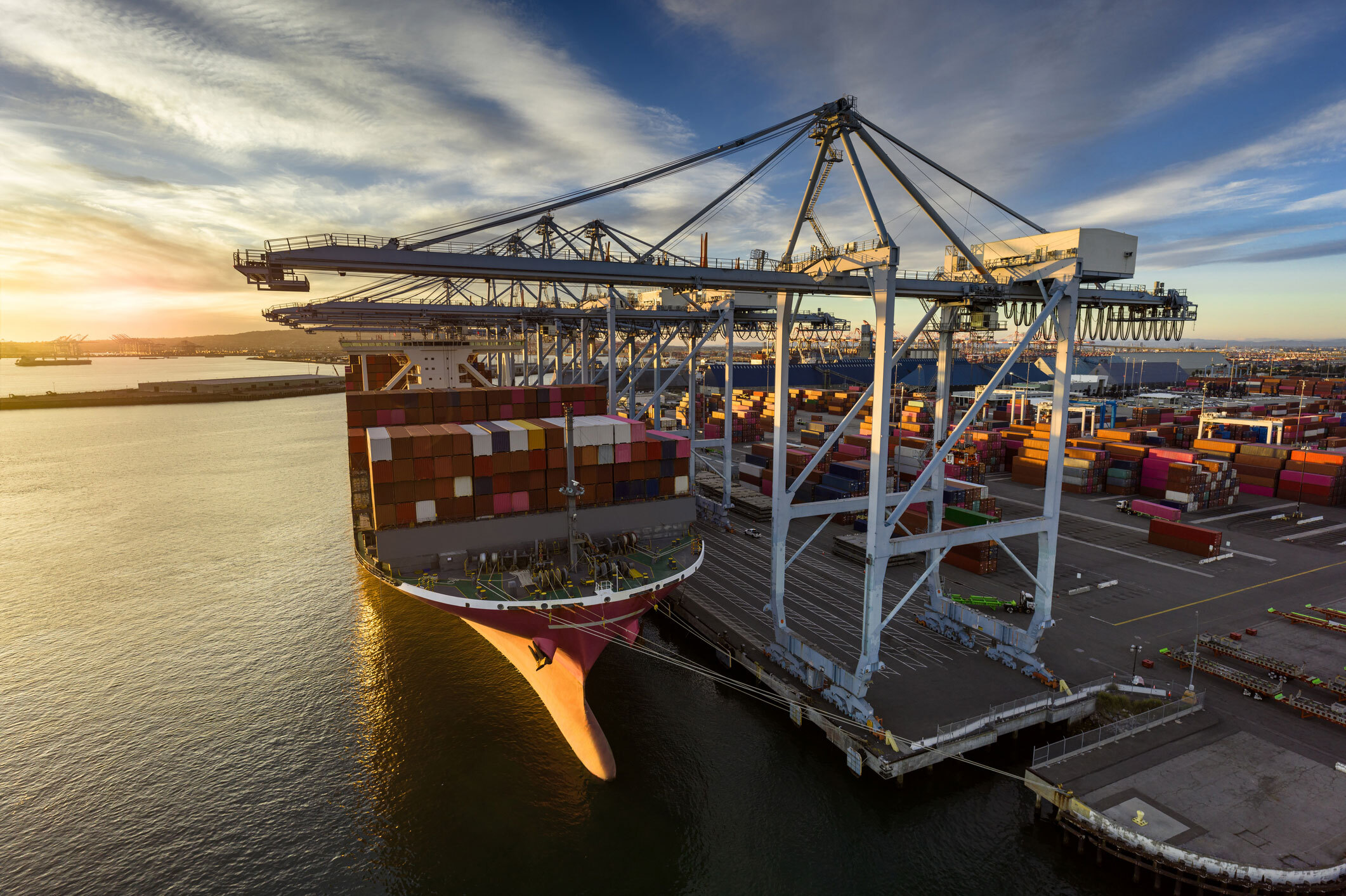
Ports and coastal cities sit at the intersection of global trade, climate risk, urban development and environmental change. As ports modernise, new challenges emerge across logistics systems, urban hinterlands, marine ecosystems and local communities.
Through interdisciplinary collaboration, we support the development of joint research ideas, external funding bids, staff and student mobility, and high-quality cross-cultural education, creating sustained expertise across our network.
Welcome from our President
I am pleased and honoured to be President of the Global Consortium of Coastal Universities (GCU). The new name of our consortium—formerly known as GU8—marks the beginning of an ambitious and forward-looking chapter, one that reflects our commitment to strengthening collaboration in education and research, fostering joint academic initiatives, and welcoming new member institutions, while enhancing our collective global impact.
Rooted in major port cities across different continents, our consortium brings together universities shaped by maritime environments, international exchanges, and strong connections to global flows of trade and knowledge. Our member universities operate at the intersection of land and sea, where global challenges and opportunities converge. Ports are places of encounter where people, cultures, and ideas circulate, and where economic activity and innovation are closely interconnected. The sea is not a boundary, but a connector—a living space and a vital economic and ecological resource.
Our planet faces unprecedented challenges. Climate change is accelerating, sea levels are rising, biodiversity is under pressure, and coastal regions are at the forefront of these impacts. These realities require collective, interdisciplinary, and internationally coordinated responses.
The GCU brings together universities engaged in key areas of global importance: environmental resilience, sustainable energy including renewable energy, biodiversity protection, maritime affairs, logistics and supply chain management, maritime tourism, blue circular economy, international business, and the digital transformation of port systems. Our ambition is to reinforce collaborative initiatives in teaching and research, including shared academic programs and collaborative research projects addressing global challenges with an international perspective.
By combining our complementary areas of expertise, we enhance our collective capacity to address the societal and environmental challenges faced by port and coastal communities. Collaboration within the consortium allows us to respond to global challenges more effectively and provide students with diverse, internationally relevant knowledge, while promoting the mobility of students and researchers and fostering intercultural exchanges.
Our actions are guided by the United Nations Sustainable Development Goals (SDGs). We aim to ensure that our teaching and research contribute to addressing major global challenges and to develop approaches that are both locally relevant and internationally meaningful, particularly in the context of coastal and maritime regions.
The consortium seeks to enhance engagement with diverse stakeholders, including ports and private sector partners, with a focus on collaborative research projects and future joint initiatives.
Expanding our network is an important strategic priority. We aim to integrate universities located in port cities that share an ambition to address the global challenges of today and tomorrow, and to bring in diverse perspectives that enrich our collective mission.
I am proud that Université Le Havre Normandie continues to play an active role as Chair of the consortium, contributing to the development of a collaborative network with the ambition to shape a sustainable, innovative, and resilient future for port cities and coastal regions worldwide. I also recognise the contributions of all member institutions, faculty, and researchers in making this maritime network dynamic and impactful.
President Pedro LAGES DOS SANTOS
Our purpose
We work to advance global knowledge and find solutions across three interconnected thematic areas:
- Global business
- Environmental sustainability and renewable energy
- Logistics and maritime affairs
Our work focuses on climate resilience and coastal sustainability; maritime logistics, ports, and trade innovation; the blue economy; ocean governance; and infrastructure and urbanisation in coastal regions.
Our members
The GCU currently brings together universities with strong coastal identities and global reach:
- Inha University (South Korea)
- Xiamen University (China)
- Université Le Havre Normandie (France)
- University of Hull (United Kingdom)
- Universiti Malaysia Perlis (Malaysia)
- Universidade de Fortaleza (Brazil)
The GCU welcomes new members as we meet a growing demand for cross-cultural education, interdisciplinary research and administrative cooperation in education, research and knowledge exchange.
Current activity and future plans
The GCU is actively engaged in collaborative research workshops, researcher mobility initiatives, and joint curriculum development. Current projects include research on emerging pollutants in coastal environments and digital, resilient port supply chains.
Upcoming initiatives include a flagship education programme to support student mobility, a series of online research symposia, and the Consortium’s biannual research conference, to be held in Le Havre, Normandy, in October 2026.